Aluminium is commonly used in mass retail, and glass remains typical for smaller, artisanal producers. Among the best known rillettes brands, however, plastic pots have remained the standard choice, leaving little room to respond to consumer and retailer pressure to move away from it.
Mouty Cups, an independent converter based near Le Mans, France, worked with Stora Enso over two years to change that. There was no paperboard cup for rillettes on the market, so bringing one to production required working through the material requirements, the coating, and the converting process from the ground up. The result is what is believed to be the first paperboard-based cup for rillettes in France, using Stora Enso Cupforma Natura for the cup body and Foodbox for the lid.
The product launched, attracted local media coverage, and according to Teddy Mouty, President at Mouty Cups, immediately prompted interest from producers in the category.
Where board knowledge and converting skill come together
Developing a cup format for a demanding chilled food application requires more than selecting the right board. It requires an understanding of how board behaves during forming, how a coating interacts with the material under production conditions, and how the finished cup will hold up across the supply chain. That converting knowledge was central to what Mouty brought to the development.
Teddy Mouty describes what the starting point looked like: "When we started this project, there was no real reference for a paper-based rillettes cup in the French market. We had to demonstrate that a fibre-based solution could deliver the same level of performance as plastic in terms of food safety, product protection, shelf life and production efficiency. This required extensive testing, development work and close cooperation with producers."
Initial caution from producers was something Mouty had to work through directly. "Initially, some manufacturers were cautious because plastic had been the standard for many years," he noted. "However, once they saw that we could provide a viable alternative without compromising quality or functionality, their interest quickly grew. Today, many producers recognize that consumers are looking for packaging solutions with a lower environmental impact while maintaining the authenticity and quality of traditional food products."
The barrier system that makes the cup suitable for rillettes is Mouty's own: a coating formula developed specifically for this application and applied to the board. Across the product’s life, that coating supports the rillettes’ greasy nature while handling demanding cold storage and condensation.

Cupforma Natura: The material foundation behind the cup
Mouty's coating addresses barrier performance, but the cup's structural properties are determined by the board itself. For a chilled food cup that must survive filling, handling, and retail display, the forming characteristics of the board are as important as its surface properties.
Describing why Cupforma Natura was the right foundation for this application, Maria Adolfsson, Business Development Manager at Stora Enso, explains: "Cupforma Natura board fits perfectly for cup converting of this type as the structure of the board yields light and stiff cups when formed."
The interplay between board and coating is what makes the overall system work. "The coating that Mouty developed helped bring Cupforma Natura into this specific end use," Maria adds, "meeting the demands that chilled fatty food places on the packaging."
Reflecting on the material selection, Mouty explains: "We selected Cupforma Natura because it offered the combination of stiffness, formability, print quality and food-contact performance that we needed for this demanding application."
The support behind the material proved equally important to the outcome, he continued. "Throughout the development process, the Stora Enso team was always available and committed to helping us succeed. We had access to the right samples, technical information and development support whenever we needed it, and that responsiveness was instrumental in turning an ambitious idea into a commercial reality. Today, Cupforma Natura runs reliably on our production lines, performs well during industrial filling operations and maintains an excellent appearance and integrity throughout distribution and on store shelves."
The partnership that made the development possible
A two-year development entering new technical territory depends on more than technical competence on both sides. It depends on the kind of working relationship where questions get raised early and resolved quickly, and where the supplier's role is to guide the development rather than simply fill an order.
For Stora Enso, supporting a development of this kind means being part of the conversation from the outset, not simply supplying material once the brief is fixed.
Bruno Sabert, Sales Manager at Stora Enso, describes what that engagement looks like in practice: "When Mouty has questions about a development project, we are the first call. Our role is to guide and support the work, or if necessary suggest alternatives when something is not feasible. That is what a long-term partnership looks like in practice."
Packaging rooted in the same region as the product
Rillettes production in France has historically been concentrated in the Sarthe region and western France more broadly, and many of the producers Mouty Cups works with are local. That proximity has shaped both how the concept was developed and how it has been received since launch.
For Mouty, being close to producers is not simply a logistical advantage. "Proximity to local producers is extremely important because packaging development is not only about supplying a container; it is about understanding the product, the production process and the values of the brand," he said. "Working closely with producers allows us to respond quickly, adapt solutions to their specific needs and build long-term partnerships. Rillettes are deeply rooted in regional traditions, and it makes sense for the packaging to reflect the same local commitment."
For producers working with local packaging converters on similar applications, proximity is a practical asset in the development process, not just a supply chain detail.
From rillettes to the broader chilled food category
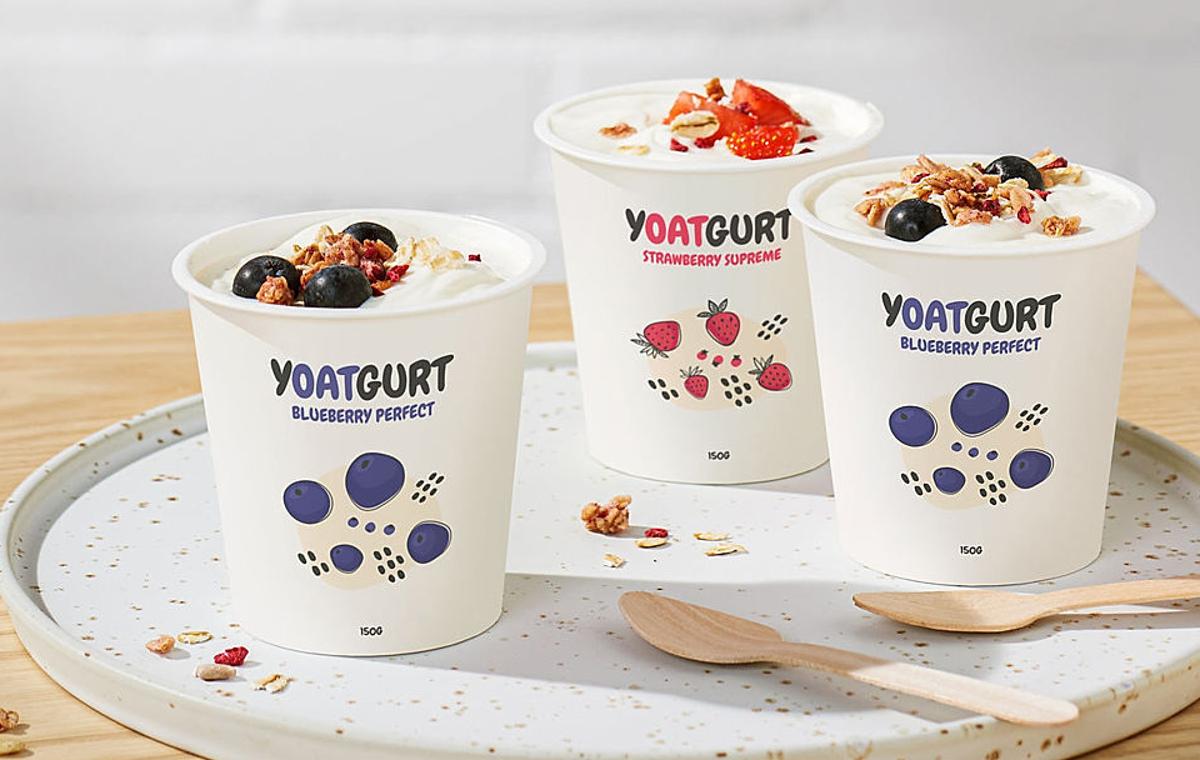
For producers considering a similar move in their own category, the rillettes cup offers a practical point of reference: paperboard can perform in chilled fatty food applications when the right board properties, the right barrier approach, and converting expertise are aligned.
Looking at where the concept could go next, Mouty sees the rillettes cup as the beginning of a broader shift. "Chilled food categories such as deli products, dairy products, fresh desserts, ready meals and premium pet food all offer strong potential for fibre-based packaging solutions," he remarked.
Mouty Cups is already working on what comes after this first format. “At Mouty Cups, we are also working on the next generation of barrier technologies designed to further reduce or eliminate plastic while maintaining the performance required for food protection," Mouty continued. "Our vision is not simply to replace one material with another, but to develop innovative packaging solutions that combine functionality, sustainability and industrial feasibility. We believe fibre-based packaging will play a major role in the future of chilled food packaging across Europe."
The development shows what becomes possible when the right material, the right converting partner, and a shared commitment to working through the unknown come together. For producers asking whether their own application could make the same transition, the answer is worth exploring.
To discover what’s possible for your next packaging project, contact us.


